For sentiment analysis (program1), there are two kinds of methods-machine learning approach and lexicon-based approach. We choose lexicon-based approach to complete sentiment analysis. Besides, there are two approaches to achieve lexicon-based approach, that is dictionary-based approach and corpus-based approach. We use dictionary-based approach. Firstly, we should pre-process and read the comments data, for example, we remove the emoticon. Secondly, we use python to tokenize the comments data in order to break up the comments into words. Thirdly, we convert all the words into lowercases to normalize these words. Then, we use python NLTK corpus to obtain synonyms and antonyms to ‘good’, and we obtain positive and negative words lists. Finally, we output the overall sentiment score of my received comments through loop and counting.
For social network analysis (program2), we use social matrix to calculate some metric in order to analyze my social connection with classmates. Firstly, we have 75 classmates in our class, so we use 75 by 75 social matrix to represents our social network. Secondly, social matrix can be represented by a directed graph and the arrows represent comments, so we use ‘networkx’python package to create our social network. Thirdly, we build nodes and edges of the directed graph in terms of the values of social matrix. Finally, we output in-degree, out-degree, closeness centrality and between centrality with reference to my ID in social matrix, which reflects my participation in our social network.
Part II. The result of sentiment analysis
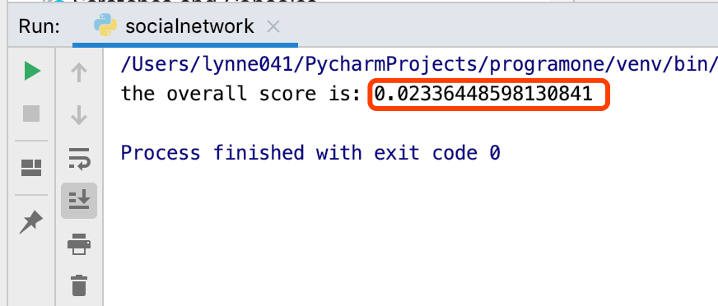
The overall sentiment score of my received comments is about 0.0234, which is shown in figure1.
Figure.1. the overall sentiment score of my received comments
There are 642 words in total in my received comments, among them, there are 26 positive words, 11 negative words and 605 neutral words. When I print all the positive and negative words, I find that some of the negative words representing the negative contents of my blog, like ‘outbreak’. My blog is about SDG3- health and I refer to some outbreak diseases. My classmates comment me using the examples I have listed in my blog so they comment ‘outbreak’. However, they do not mean my blog is not good, so I think my score can be higher after cutting these misleading words. In general, my classmates gave me more positive comments than negative ones.
Part III. The result of social network analysis
Figure2 shows some metric like in-degree which shows my course participation. The first one is the in-degree of the node representing me which is 4. It means 4 classmates commented me. The second one is the out-degree of the node representing me which is 5. It means I commented 5 classmates.
Figure.2. some metric representing my course participation
The third one is the closeness centrality of the node representing me which is about 0.35 and the last one is betweenness centrality of the node representing me, which is about 0.0056. The result reflects the formation of a small group of students who comment on each other. I should comment more on other students, not only those who comment me, but also other students with different degrees of participation.
Conclusion
Before I took this course, I never thought we could analyze the data on social networks and draw some interesting and useful conclusions. In this class, we built a social network of our class through WordPress and obtained some indicators through python coding to reflect our participation; At the same time, we learned about some tools for data analysis and data visualization. I feel the tremendous charm of social network and the power of social network analysis.
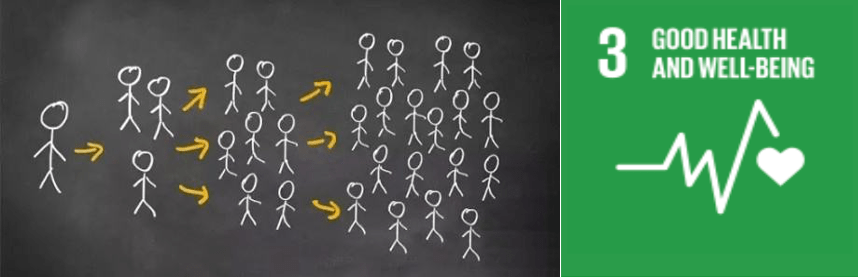
The SDG3 is ensuring good health and promoting the well-being for people at all ages. Social media analysis can be applied to address many problems like spreading information to the public and help achieve this goal. In this blog, I try to give some examples.
Fig.1. Social media and SDG3 [1]
Social media can help collect data and send information promptly
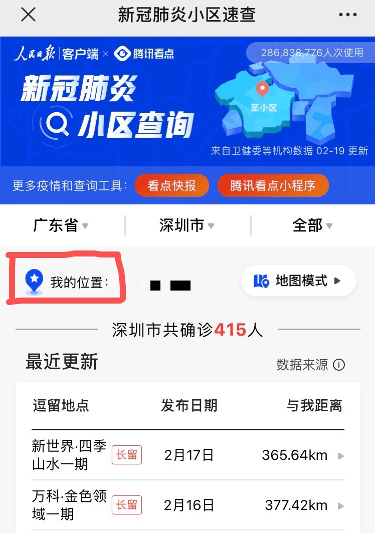
In my last blog, I mentioned that one of the trickiest problems when infectious disease broke out was cross-infection. If we could collect data of confirmed cases and send the information to the public in time, it will help a lot to avoid contacting with confirmed cases and reduce the risk of cross-infection. Figure2 shows the application used to find out if there are confirmed cases living in your housing estate through mobile-phone positioning. The data is collected by Health Committee and the technology is provided by Chinese company Tencent.
Fig.2. Application used to find out confirmed cases in your area [2]
Figure3 shows another application of social media used to find out if there are confirmed cases on your trip by entering your transportation, region, ride time, train number or flight number.
Fig.3. Application used to find out confirmed cases in your area [3]
Social media can help improve the efficiency of people visiting doctors and purchasing medical supplies
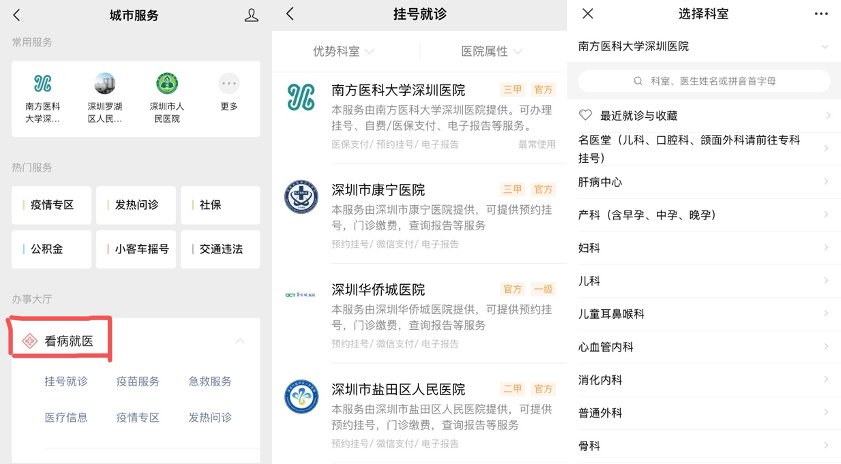
There are many popular social media applications in China Mainland. Among these apps, you must be familiar with WeChat and Alipay. They all have urban service functions which contains health-related functions such as doctor appointment and hospital department inquiry. We can choose the hospital nearby by mobile-phone positioning. Figure4 shows part of the services from WeChat and take Shenzhen city for example. These functions improve the efficiency of hospital work, simplified procedures for people to see a doctor and save time.
Fig.4. Doctor appointment service in WeChat [4]
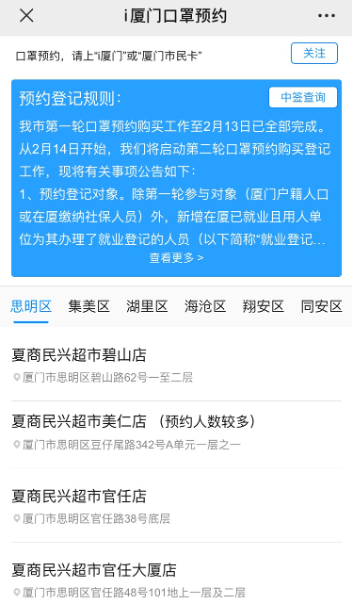
WeChat Official Account is also a very popular social media application in China Mainland. During the outbreak of new pneumonia, many cities open their WeChat Official Account in order to provide medical mask appointment service for citizens. Figure5 presents the service in Xiamen city. Citizens in Xiamen can choose the nearest medical stores to purchase medical masks by making appointments. The service allows citizens to buy medical masks in batches and limits purchase of medical masks per person which can reduce the risk of infection, provide reasonable distribution of medical supplies and avoid waste.
Fig.5. Medical masks appointment in WeChat Official Account [5]
Social media can help popularize science and raise health awareness
With the rise of short video social media application like Tik Tok, short videos about medical knowledge recorded by medical experts and doctors have been viewed and reposted online. Compared SARS in 2003 with new pneumonia in 2020, people’s awareness of epidemic prevention has been greatly improved in 2020 thanks to the popular science short videos. Besides, through the content posted in short video social media application, I conclude that people pay more attention to their health and well-being by vaccination, doing exercise, regulating life schedule and so on.
Conclusion
Social media helps to get and send information about health from person to person in various kinds of ways, such as words, videos, pictures. People benefit a lot from social media applications in medical care and raising awareness of health and well-being.
The UN member states adopted 17 goals which is a 15-year plan for sustainable development in 2015 and this plan aims to achieve these goals by 2030.[1]The 17 goals and other targets are called the Sustainable Development Goals (SDGs). The SDGs are a worldwide call to protect the earth and achieve prospects of everyone and everywhere. In this blog, I would like to give my thoughts about the SDG3 (the third goal) which is about health.
Part I. What is the goal and why it matters?
The SDG3 is called ‘good health and well-being’ for short which aims to ensure healthy lives and promote well-being for all ages.[2] Frankly, this goal is essential for sustainable development because healthy lives are the foundation of good social order and healthy economy. A healthy emergency can cause economic stagnation to countries and cause bankruptcy to people. Over the past decades, life expectancy has increased a lot globally and steady progress has been made in medical care and fight against infectious diseases. While we still lost heavily when infectious diseases break out due to newly discovered virus. Since infectious respiratory diseases caused by coronavirus (officially named 2019-nCoV) outbreak in China recently, it has been declared a Public Health Emergency of International Concern (PHEIC) by the World Health Organization (WHO). In this blog, I will pay more attention to the infectious respiratory disease.
Part II. What leads to the respiratory disease?
The new coronavirus (figure1) is the protagonist of this public health emergency, named after its coronal appearance. New coronavirus causes respiratory disease, the disease ranges from the common cold to pneumonia, which can be fatal. New coronavirus is confirmed to transmit from person to person. According to Chinese scientists, people who get the virus are contagious even before they show symptoms. But how did this kind of virus appear? It is initially found in a group of people with pneumonia, and they are linked to a seafood market located in Wuhan, the central city of China. In the market, not only seafood, but also many reptiles, bats and other live or dead wild animals were traded. The disease spread from people who were sick to their family members and medical staffs.
Fig.1. A digital illustration of the coronavirus shows the crown-like appearance of the virus.[3]
Part III. What novel coronavirus brings to China and the world?
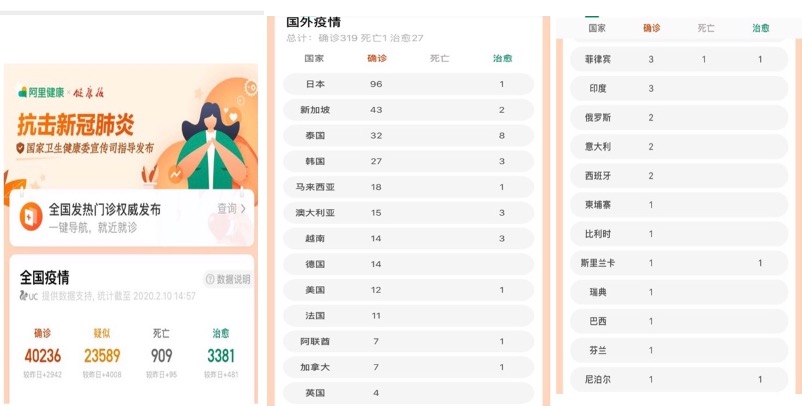
To begin with, as of 14:57 on February 10, 2020, there have been 40236 confirmed cases of the respiratory disease (3381 people are cured) and 909 deaths in total all over China. Outside china, there have been 319 infections (27 people are cured) in 25 countries and one person died. (figure 2)
(data source: data is organized by Alihealth according to the public information of the National Health Commission, the provincial and municipal government health commissions, Hong Kong, Macao, Taiwan and overseas authoritative official channels and media.)
Fig.2. data of respiratory diseases all over the world.[4]
Secondly, in the traditional Chinese New Year, not only the patients, but also a large number of medical staffs and workers were forced to live separately from their families. The rest people in all regions of China are restricted to stay at home in order to prevent cross-infection.
Thirdly, enterprises were forced to suspend business, which severely affected China’s economic development.
Besides, cost of facemasks increases in China and many other countries. Unprecedented demand for surgical masks and personal protective equipment caused by the coronavirus epidemic, it has created shortages for those medical staff and patients who really need them.
Lastly, this has caused panic all over the world, some countries and regions have adopted temporary travel bans on visitors from mainland China, which will affect the development of tourism, world trade, and overseas students’ study abroad.
Part IV. What can we do to help?
In order to better fight against and prevent infectious diseases which contributes to achieve the In order to better fight against and prevent infectious diseases which contributes to achieve the SDG3, governments, enterprises and individuals can do a lot to help.
i)Governments: governments should mobilize medical experts and healthcare workers to conduct research on the ways of viral infection, study detection methods and treatments for infectious disease. Besides, the epidemic situation cannot be concealed by the government, and the data of diseases should be published to the public in time. Isolation ward hospital should be established quickly in order to treat patients and protect uninfected people. China set a good example to build Vulcan Mountain hospital and Thunder Mountain hospital quickly in Wuhan city.
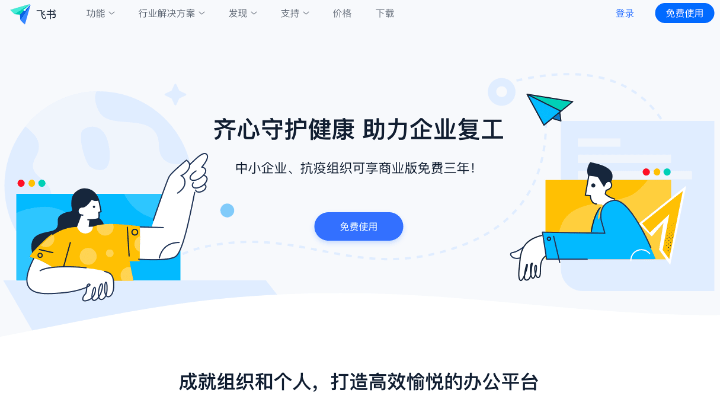
ii) enterprises: Enterprises can try their best to donate medical supplies to those who are in real need. Companies can avoid cross-infection by encouraging telecommuting. For example, The Chinese internet company-Bytedance open its office software ‘Lark’ free for some companies in order to encourage working remotely and efficiently. (figure 3)
Fig.3. software ‘Lark’ free for some companies.[5]
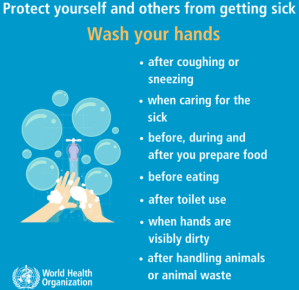
iii) individuals:For individuals, it is vital for us to take precautionary and hygienic measures to prevent from infection. Firstly, wash our hands frequently, especially before eating and after contact with sick people or their surroundings. (figure 4) Besides, wear a facemask when going outsides, cover mouth and nose when coughing or sneezing. In addition, people with fever or cough symptoms should go to hospital in time and keep a distance from others. Last but not least, stay away from wildlife that carries a lot of viruses. In short, don’t be panic, don’t make rumors, don’t spread rumors, keep healthy, believe in science!
Fig.4. Novel Coronavirus (2019-nCoV) advice for the public (WHO).[6]
Part V. what we have learnt from this public health emergency?
China has experienced the SARS virus in 2003, but this time the coronavirus still caused heavy losses to China. At present, the epidemic has not been completely controlled. The epidemic gives not only China, but also the whole world a warm and a lesson. In order to achieve good health and well-being (SDG3),we should:
i) Improve prevention measures and make larger investments in infectious diseases, strengthen public health education around the world, improve people’s access to health care, especially for the most vulnerable such as women and children. The benefits outweigh the costs- healthy people is foundation of healthy world. And the cost of inaction is greater.
ii) When an infectious disease breaks out, countries in the world should not just be panic, but should share viral sequences, research outcomes and medical supplies to help one another fight against the virus.
iii)Every individual should keep healthy lifestyles, keep exercising to improve immunity, raise awareness in the importance of prevention of infectious diseases.
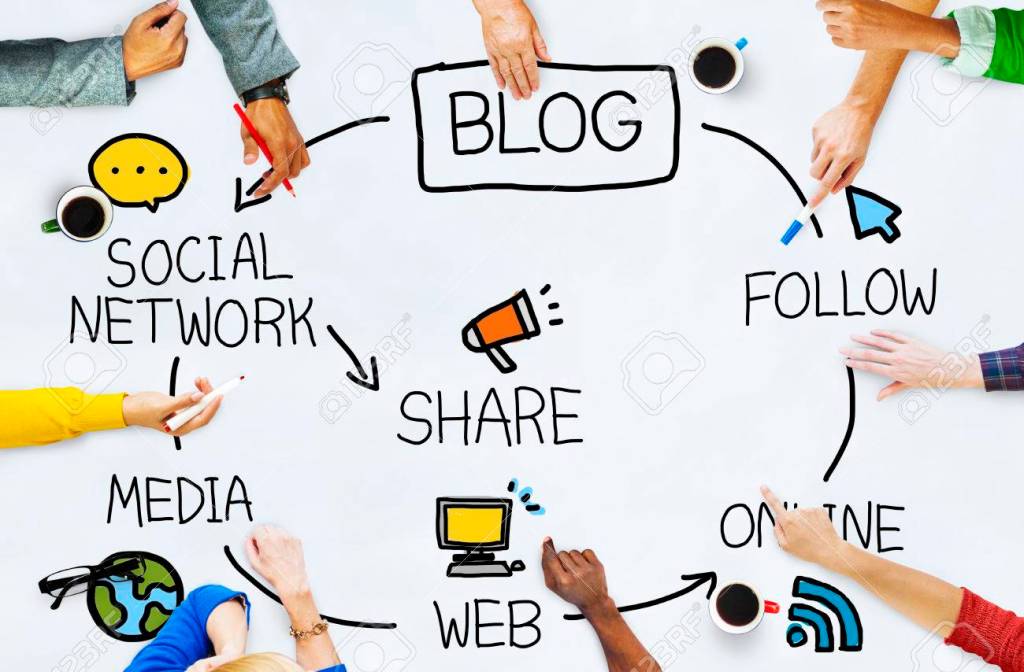
Social media nowadays offers a platform to exchange information among different individuals through various kinds of techniques. While in ancient times, technology was not that advanced so the traditional social media tended to be information deliverer and the masses could hardly share information with one another and express opinions and demands in social media. Thanks to the rapid development of the Internet, humans are able to communicate freely, receive and send information fast and conveniently in mobile applications.
social network is consist of actors (individuals , organizations or societies) and social interactions.[1] Social media, the Internet and advanced communication techniques have greatly changed our social networking behaviors. In general, social network is built based on entities and interactions, social media is the platform and tool used to build social network. At the same time, the establishment of social network will also lead the development of social media.
Social media analytics is interdisciplinary and it refers to both humanities and technologies. But I am trying to explore it in two aspects-science and engineering.
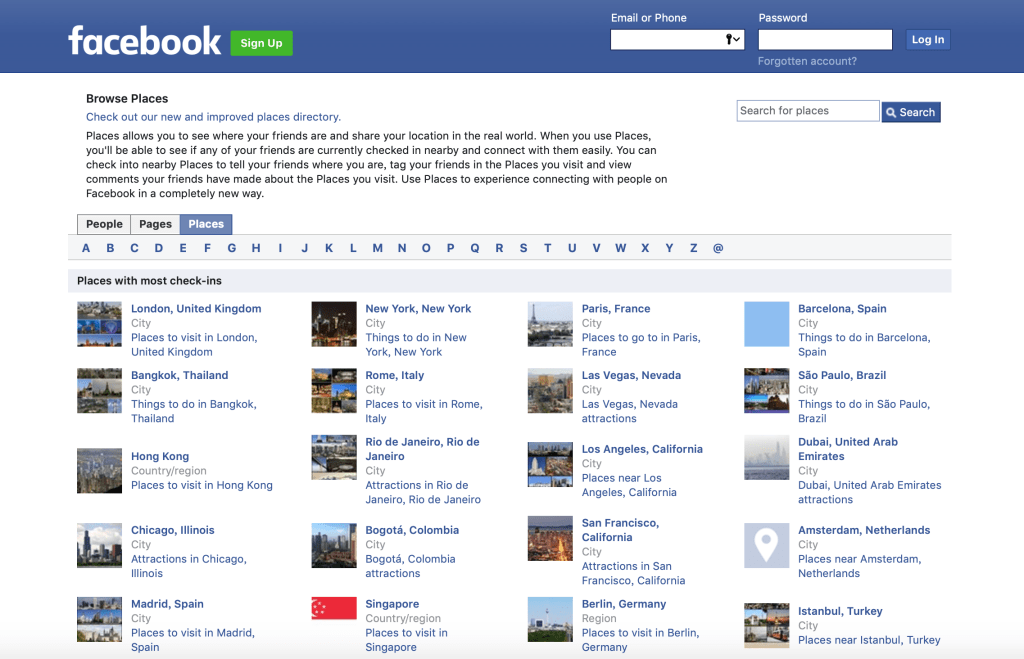
First of all, in the science aspect, the main aim is to study the social behavior of humans. we have to admit that in virtual world, communication and sharing have become easier because the way has changed. We have avoided the embarrassment of face-to-face communication through likes and comments in instagram and we feel free to share our ideas or daily life through not only words, but also pictures and videos in instagram. Sometimes we can find ‘similar’ person who has the same hobbies with us and we follow him/her in instagram, since birds of a feather flock together. Besides, when we travel to a new place, we would like to tell our friends where we are by sending location tag to them in Facebook and view the comments our friends have made in the places we visit.
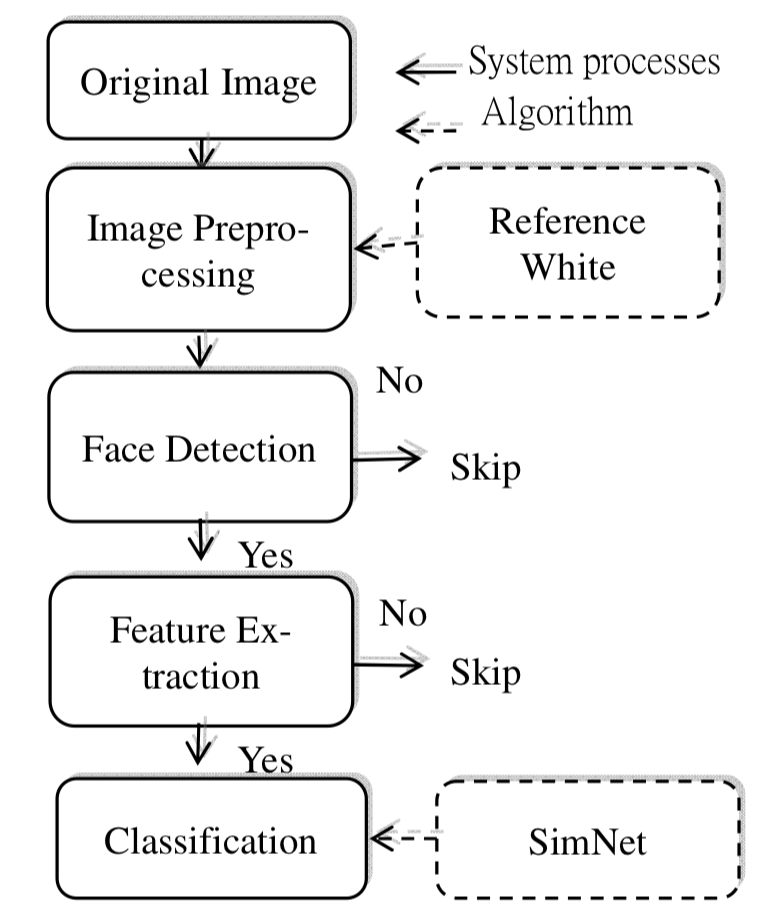
Then, it is going to the engineering aspect. To begin with, a good social media application must build appealing function or system that make users’ social activities more interesting or convenient. For example, the filter and beauty function in instagram make us feel more confident and more likely to share pictures or selfies in social media. It is realized by face recognition, image processing algorithm and some other techniques. Besides, the recommendation function helps us quickly find people we may be interested in by recording our searching history and big data analysis. Moreover, we can easily share our locations and find others’ footprints in Facebook by GPS and IP geolocation technology.
In conclusion, in my viewpoint, social media analyst aims to study human’s social behaviors and discover more useful products or application functions to make information exchange easier through various kinds of techniques. It refers to not only information engineering technology, but also psychology and humanities.




 Lynne's Tree Hole
